

It was an early-morning shift in Awutu, a Ghanaian town near one of the largest refugee settlements in the region. I met a boy of six or seven with a swollen, rigid abdomen. An X-ray showed a probable intestinal obstruction. Marks around his lips suggested he had been given something to swallow, though I could not say what, or where it had come from. Whatever it was, it seemed to have made him worse.
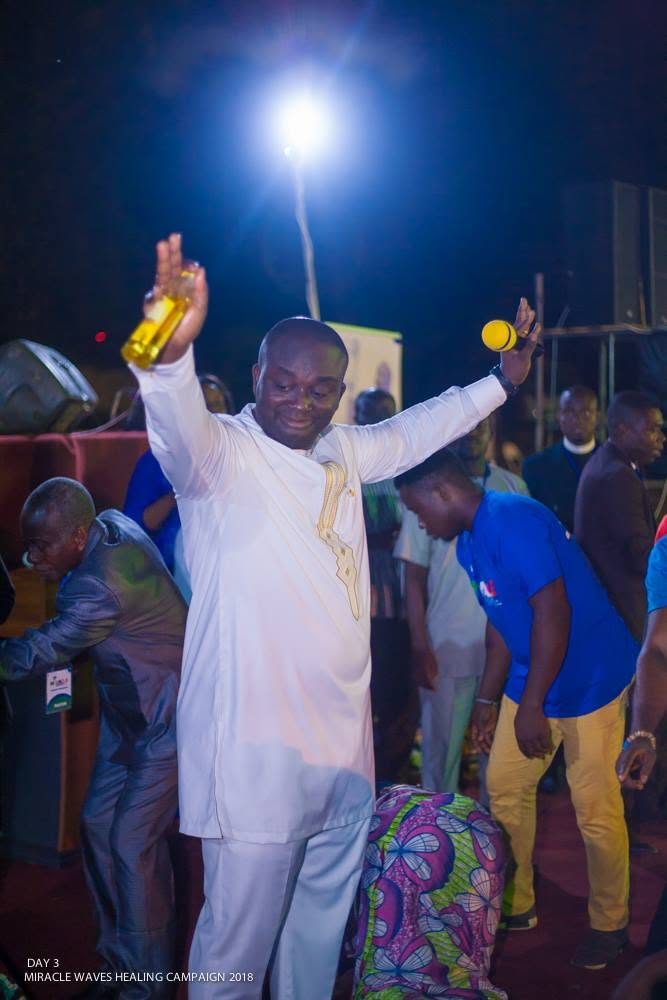
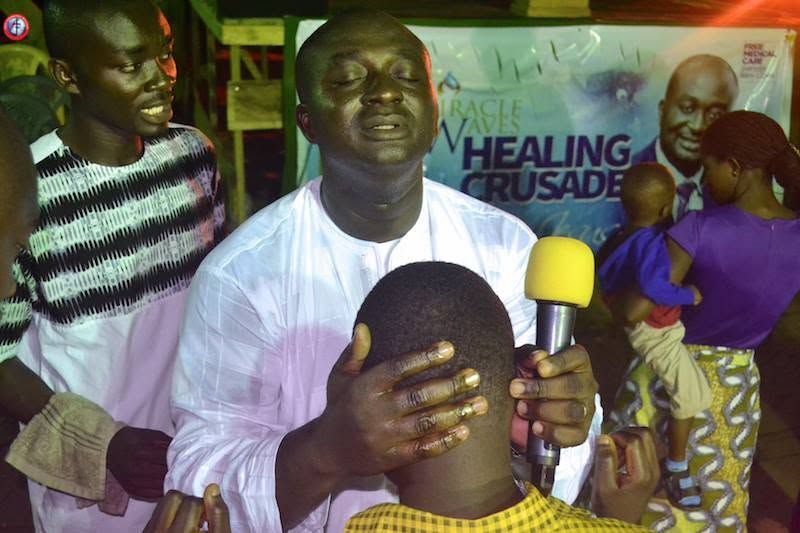
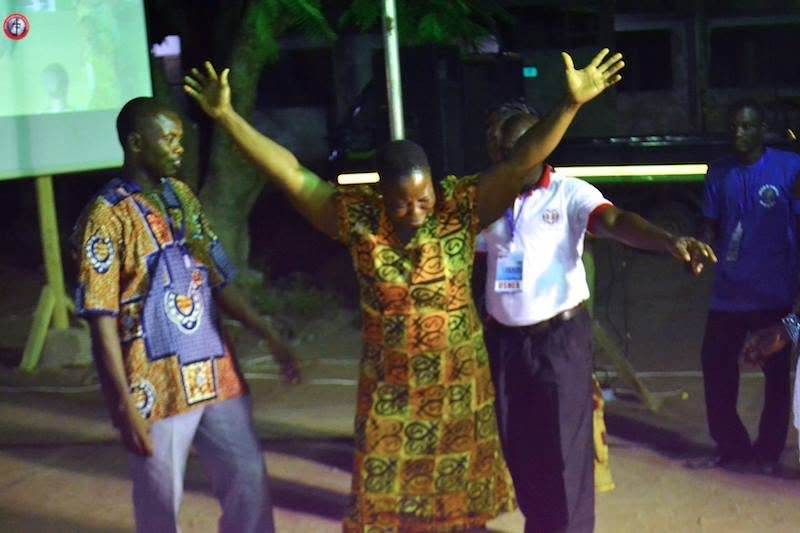
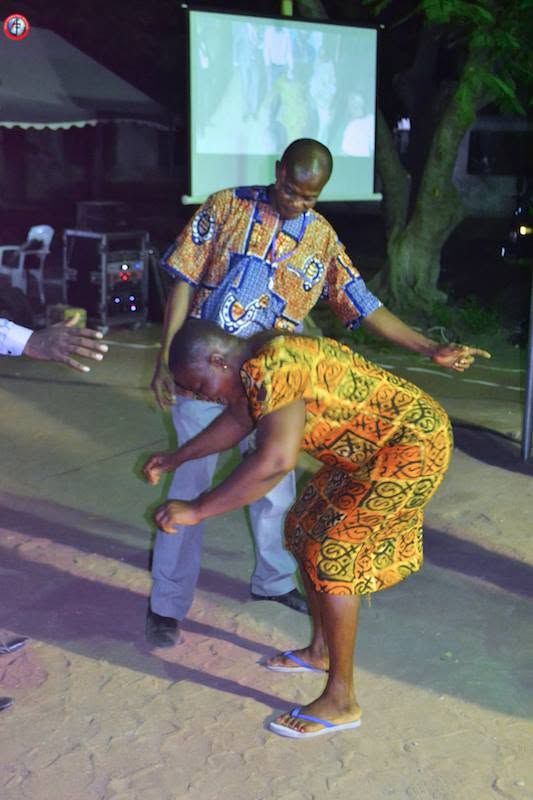
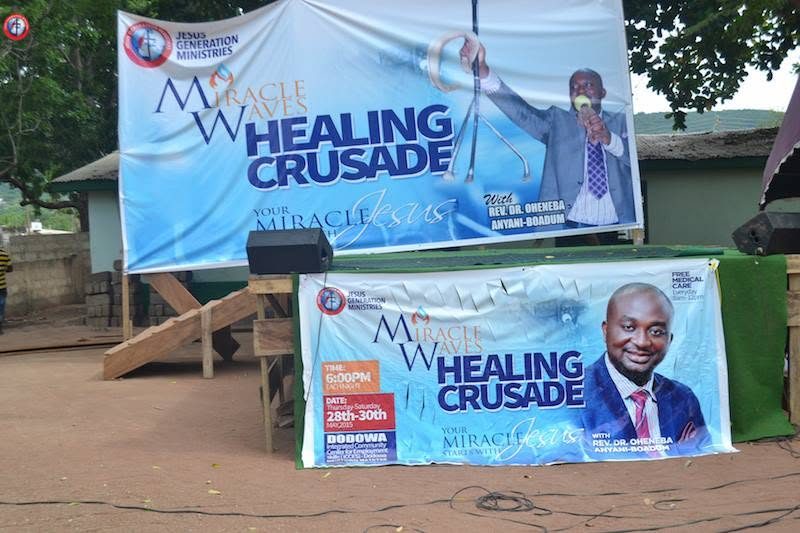
What I remember most is not the X-ray but the bedside. Around his wrists, beneath his pillow, across the sheets lay an array of religious paraphernalia, and his mother was passing her palm again and again over one of them: a paper hand-fan, the stiff printed kind people wave against the heat, bearing the face of her religious leader.
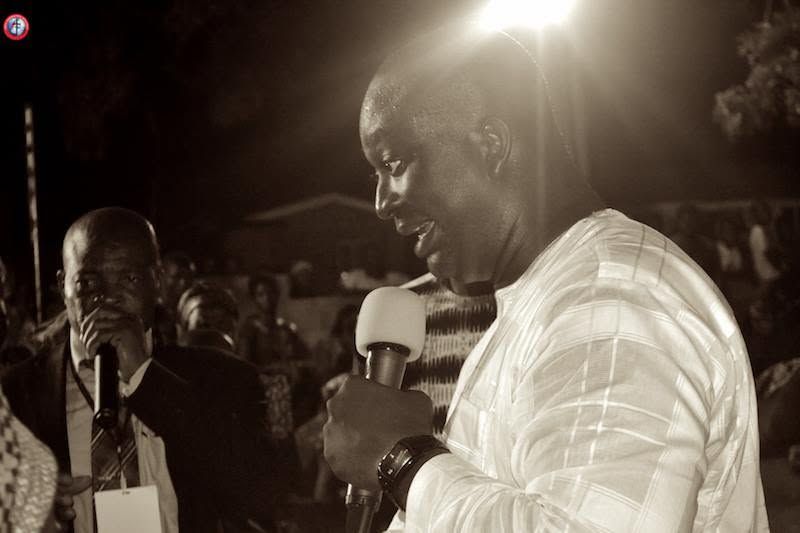
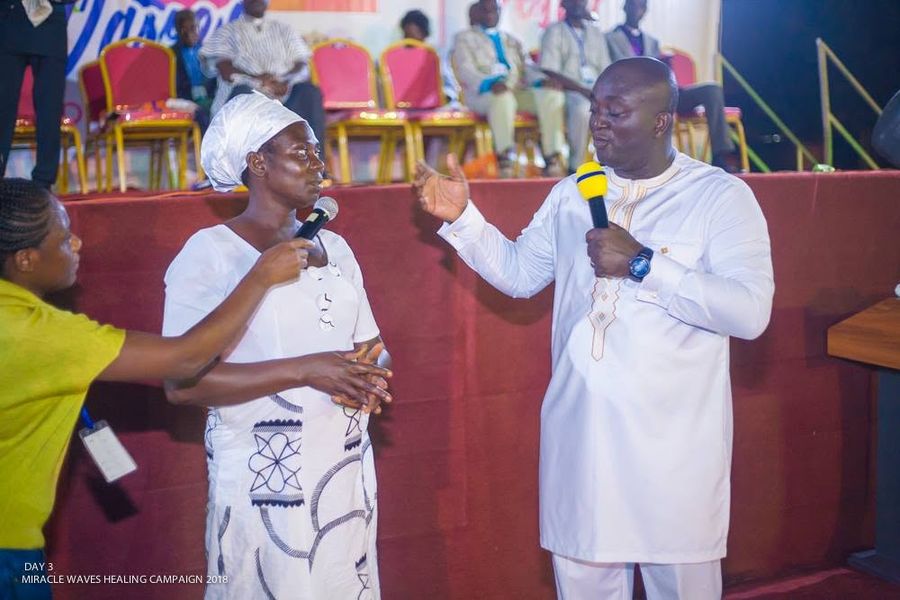
She was doing it, I think, to draw healing into his body — though the very teaching that had placed that hope in an object may have been what endangered him. The trouble was never that she had faith. The trouble is that faith can slide off the Lord Jesus and onto something that was never meant to carry it.